
How to Set Healthy Boundaries in Addiction Recovery
How to Set Healthy Boundaries in Addiction Recovery
Published November 2021
We all have personal boundaries, sometimes called our “comfort zone” or our “personal bubble.” These are the boundaries we make to safeguard our mental and physical well-being.
Setting better boundaries is essential for addiction recovery but isn’t always the easiest to do. It has to be done, though, because boundaries are your foundation for sobriety. If your foundation is weak, you’re probably going to end up backsliding into full-blown addictive behavior.
We should, in theory, respect the boundaries of others in the same way that we wish others to respect ours. We feel secure and valued when our connections with others are healthy, positive, and helpful — maintaining appropriate boundaries with others aids in the development of a positive self-image while confidently standing firm in our self-respect.
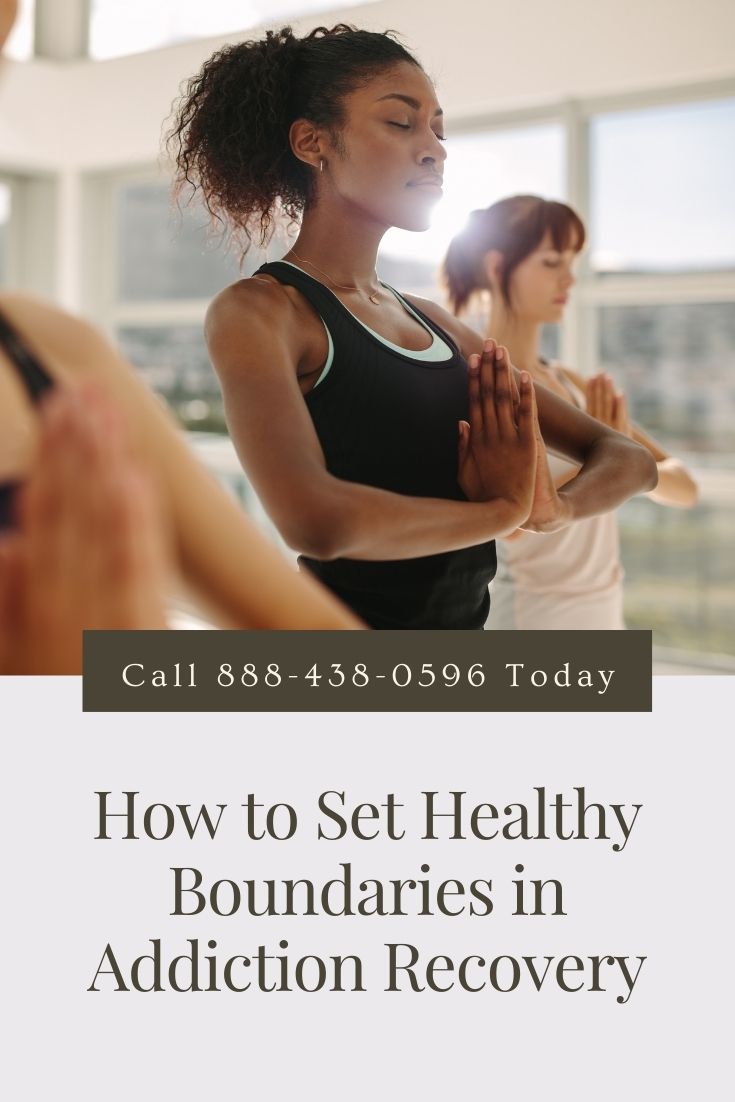
Setting boundaries of any kind is highly critical for anyone recovering from a drug or alcohol addiction issue since self-respect is vital to the recovery process.
How to Set Healthy Boundaries in Addiction Recovery
- Identify why you need better boundaries.
- Set some basic rules and communicate them clearly.
- Explain your boundaries to your loved ones who may have trouble understanding why you have limitations on certain things in your life.
- Follow through with consequences when your boundaries are not respected.
- Get in touch with your feelings and practice more self-awareness.
- Say “No” to people who hurt you, continue to hurt you, and do not seem to care one bit if or how they hurt you.
- Stop punishing yourself for having boundaries. You owe it to yourself to stand up for yourself and practice more self-respect.
- Understand that the best way to maintain healthy boundaries is to be happy and healthy so that you continue to thrive and risk nothing to put your life in jeopardy. You’ve come so far. Don’t slip back into old patterns.
No matter what type of addiction you struggle with, setting boundaries is something that you need to learn how to do ASAP. Boundaries are important because they let others know where the line is drawn, and it helps you have more control over your life.
Having a healthy sense of self-worth requires setting and maintaining limits.
People who struggle with addiction have a poorly influenced self-image when they say ‘yes’ when their mind and body are genuinely saying ‘no,’ resulting in discomfort and low self-esteem. A person in recovery is more inclined to drink or use again if they are uncomfortable enough after failing to stand by their boundaries or don’t speak up for what they feel or need in any given situation.
Why Do People in Recovery or Active Addiction Struggle to Have Healthy Boundaries
Individuals who struggle with addiction-related issues tend to have trouble setting boundaries. They may have had negligent caregivers as children (parents or other guardians) who failed to set boundaries and model appropriate emotional interactions. As a result, these guardians’ children have no idea how to express emotion, seek aid, or build healthy connections.
Children raised by overly rigid caretakers are on the other extreme of the spectrum. Setting too many limits communicates to the youngster that they are incapable of personal development and independence. As a result, these kids could become too reliant on others. Others usually exploit addicts due to their failure to recognize and live within appropriate boundaries. This commonly leads to codependent relationships.
Respect — for oneself and others — is the foundation of reasonable limits. Unfortunately, people with addiction have a hard time taking responsibility for their words and actions. Feeling comfortable to express sentiments in a calm, assertive manner and standing firm even if others disagree are all examples of healthy boundaries. Likewise, maintaining personal principles, being yourself, and not bending to what others believe you should be are all examples of healthy boundaries.
What are some examples of unhealthy boundaries?
Healthy boundaries are built on respect for oneself and others, whereas inadequate limits are built on the reverse. Here are some examples of unhealthy boundaries:
- Excessive impulsiveness, especially in relationships.
- Forgetting about one’s values to make someone else happy.
- Making fun of others’ beliefs or emotions.
- Embarrassing yourself.
- Trying to impose one’s personal opinions on others.
- Allowing others to tell you who you should be and what you should do.
- Refusing to let people take responsibility for their own emotions.
Learning to be Comfortable in Your Skin
Are you ready to learn how to create boundaries and limits? To understand how other people’s behavior impacts them, the person recovering from drug or alcohol-related issues must learn to listen to their body.
If they answer “yes” to a question or request but have a knot in their gut, it’s probable that they genuinely intended to say “no.” It’s critical to determine personal values and express how others expect to be treated. People with substance abuse-related problems must learn to express themselves and speak out when they do not respect their established limits.
Many people who have struggled with drug or alcohol abuse cannot frequently describe desirable limits or speak out when such boundaries have been broken in the past. Those in recovery prefer to control their lives to achieve long-term success and good relationships. Those in recovery gain a sense of control by defining and demanding that others respect their boundaries firmly.
Healthy boundaries allow people in recovery to reclaim control of their life, live independently, and build healthy relationships. Establishing a healthy relationship with oneself and others is unlikely to occur without appropriate boundaries.

Explore Your Treatment Options
Our admissions staff is standing by 24/7 to answer any questions you may have about our facilities. Call us anytime or click below to verify your insurance benefits online now.

Explore Your Treatment Options
Our admissions staff is standing by 24/7 to answer any questions you may have about our facilities. Call us anytime or click below to verify your insurance benefits online now.


Confidential Contact Form
Contact Passages confidentially today and receive free information on our treatment centers. To get started give us a call or fill out the contact form below. We are always available 24/7.